































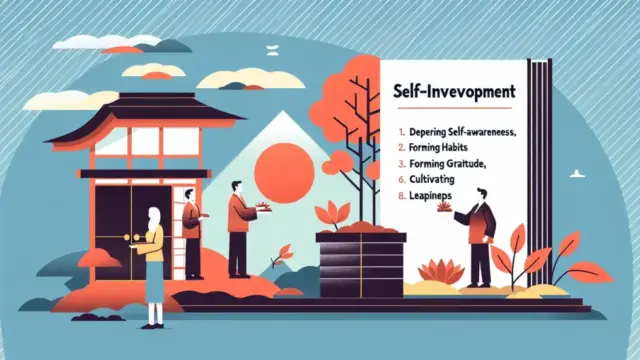










Are you looking for simple ways to improve yourself and grow personally? Self-improvement can sometimes feel overwhelming, but it doesn’t have to be. In this article, we’ll explore easy and effective methods that can lead to meaningful change in your life. Whether you’re aiming to boost your self-awareness, build better habits, or enhance your leadership skills, we have you covered.
Understanding yourself better is the first step toward growth. By engaging in self-assessment and reflecting on your thoughts and feelings, you can uncover insights that help you navigate your personal journey. Keeping a journal can also serve as a powerful tool for tracking your progress and expressing gratitude along the way.
Building efficient habits might sound challenging, but starting small can make a world of difference. We’ll discuss the basics of habit formation and how setting manageable goals can lead to lasting change. These little steps can pave the way for significant improvements in your daily life.
Finally, nurturing a grateful heart is essential for a positive mindset. By incorporating gratitude into your daily routine, you can shift your perspective and find joy in the little things. Plus, we’ll touch on how enhancing your leadership skills can help you connect better with others and foster a supportive community around you.
- Discover simple methods to deepen your self-awareness and track your growth.
- Learn how to build efficient habits by setting small, achievable goals.
- Explore practical ways to cultivate gratitude and enhance your leadership skills.
Simple Ways to Deepen Self-Awareness
Importance of Self-Assessment
Taking time for self-assessment is crucial in your journey of self-improvement. It allows you to gain clarity on your strengths and weaknesses, helping you make informed decisions about where to focus your energy. When you reflect on your thoughts and feelings, you create a roadmap for your personal growth. This process doesn’t have to be complicated; it can be as simple as asking yourself a few guiding questions each day.
By regularly assessing your emotions and behaviors, you can identify patterns that either support or hinder your progress. This awareness can empower you to make conscious choices that align with your goals. Additionally, understanding yourself better can enhance your relationships with others, as you become more empathetic and understanding.
As you develop your self-assessment skills, you might find it helpful to seek feedback from trusted friends or mentors. Their insights can provide a different perspective and highlight areas you might not have considered. Remember, the goal is to cultivate a deeper understanding of yourself, which is an essential step in the self-improvement process.
- Self-assessment illuminates your strengths and areas for growth.
- Regular reflection fosters conscious decision-making.
- External feedback can enhance your self-awareness.
Benefits of Keeping a Journal
Journaling is a fantastic way to boost your self-awareness and track your progress. By writing down your thoughts and experiences, you create a space for reflection that can lead to valuable insights. This practice not only helps you process your emotions but also allows you to see how far you’ve come over time.
Moreover, journaling can serve as a gratitude practice, helping you focus on the positive aspects of your life. When you take a moment to acknowledge what you’re thankful for, it shifts your perspective and promotes a more optimistic outlook. Over time, these small shifts can lead to significant changes in how you approach challenges and opportunities.
- Journaling provides a reflective space for self-discovery.
- It helps track emotional growth and progress.
- A gratitude focus can enhance overall well-being.
This chapter sets the stage for deepening your self-awareness, which is foundational for effective self-improvement. As you continue on this journey, remember that each step you take brings you closer to the person you aspire to be. In the next section, we will explore practical methods for building efficient habits that support your growth even further.
Steps to Build Efficient Habits
Basics of Habit Formation
Building efficient habits is a crucial part of your self-improvement journey. It’s important to understand that habits are formed through a process known as habit formation. This process typically involves a cue, a routine, and a reward. When you recognize what triggers a specific behavior, you can start to reshape your routines to align with your goals. This doesn’t have to be daunting; starting with small changes can lead to powerful outcomes.
By focusing on one habit at a time, you allow yourself to create a strong foundation. For instance, if you want to develop a reading habit, start by setting aside just five minutes a day. Over time, you can gradually increase this duration as it becomes a natural part of your routine. Remember, consistency is key, and the more you practice your new habit, the easier it will become.
- Understand the cue-routine-reward cycle of habits.
- Start small to build a strong foundation for your habits.
- Consistency is essential for successful habit formation.
How to Set Small Goals
Setting small, achievable goals is an effective strategy for creating lasting change in your life. When you set goals that are realistic, you’re more likely to stay motivated and committed. Think about what you want to achieve and break it down into smaller, manageable steps. For example, if your goal is to exercise more, start by committing to just 10 minutes of movement each day.
Once you find success with these small goals, you can gradually increase the challenge. This approach not only helps you build confidence but also creates a sense of accomplishment as you check off each goal. Celebrate these small wins; they’re essential in keeping your motivation high.
Additionally, it’s beneficial to track your progress. You might consider using a habit tracker or simply jotting down your achievements in a journal. This visual representation of your progress can serve as a powerful reminder of how far you’ve come, reinforcing your commitment to your self-improvement journey.
- Break down larger goals into small, achievable tasks.
- Celebrate small wins to maintain motivation.
- Use progress tracking to reinforce your commitment.
As you continue to build efficient habits through these simple methods, you’ll find that they support your overall personal growth. The next chapter will delve into nurturing gratitude, which complements your efforts in habit formation and self-awareness.
Practical Ways to Nurture a Grateful Heart
Creating a Gratitude List
One of the easiest self-improvement methods to incorporate gratitude into your life is by creating a gratitude list. This simple practice invites you to take a moment each day to reflect on what you appreciate. Start with just a few things that bring you joy, whether they are big or small. Over time, you may find that your list begins to grow, and so does your sense of gratitude.
Writing down these positive aspects can help shift your focus from what you lack to what you already have. It’s these little reminders that can make a significant difference in your mindset. As you continue this practice, you’ll likely notice how it enriches your overall outlook on life.
- Reflect on both big and small joys to enhance positivity.
- Regularly update your list to keep the practice fresh.
- Share your gratitude list with others for added inspiration.
Incorporating Gratitude into Daily Life
Incorporating gratitude into your daily life is another effective way to nurture a grateful heart. One method is to set aside a few minutes each day to express appreciation. This can be as simple as thanking a colleague for their support or acknowledging a loved one for their kindness. These small gestures not only strengthen your relationships but also reinforce a positive atmosphere around you.
Additionally, consider starting or ending your day with a gratitude practice. For instance, you might take a moment each morning to think of three things you are thankful for before diving into your tasks. Alternatively, before going to bed, reflect on the positive moments from your day. This routine can help you develop a more optimistic mindset, making it easier to navigate challenges as they arise.
Moreover, don’t hesitate to explore creative ways to express gratitude. Whether it’s writing thank-you notes, creating artwork inspired by what you appreciate, or even engaging in acts of kindness, these actions can deepen your sense of gratitude. As you actively incorporate gratitude into your life, you’ll find it becomes a natural part of your daily routine, enhancing your overall well-being.
- Express appreciation to strengthen relationships.
- Start or end your day with gratitude reflections.
- Explore creative outlets to express your thankfulness.
As you nurture a grateful heart through these practical methods, you’ll find that they harmoniously complement your journey of self-improvement. In the following section, we’ll dive into enhancing your leadership skills, which plays a vital role in your personal and professional growth.
Concrete Strategies to Enhance Leadership Skills
Improving Communication Skills
Effective communication is at the heart of strong leadership. When you can clearly articulate your thoughts and ideas, you create an environment where collaboration flourishes. Start by practicing active listening; this means truly paying attention to what others are saying without planning your response while they speak. By showing that you value their input, you can foster trust and openness within your team.
Additionally, consider your body language. Non-verbal cues play a significant role in how your message is received. Maintaining eye contact, using positive gestures, and being mindful of your tone can enhance your communication effectiveness. Remember, good communication isn’t just about speaking—it’s about engaging with others in a way that promotes understanding.
As you work on these skills, don’t hesitate to seek opportunities to practice. Whether through team meetings, presentations, or even casual conversations, every interaction is a chance to refine your communication abilities. The more you engage, the more confident and effective you will become as a leader.
- Active listening fosters trust and collaboration.
- Positive body language enhances message delivery.
- Practice in various settings to build confidence.
Being Open to Feedback
Being open to feedback is another essential leadership skill that can significantly impact your personal growth. When you actively seek feedback from your team members or colleagues, you demonstrate humility and a willingness to improve. This openness not only helps you identify areas for development but also encourages a culture of constructive criticism in your organization.
Moreover, embracing feedback can lead to valuable insights that you may not have considered. It’s important to approach feedback with an open mind, viewing it as an opportunity for growth rather than a personal attack. This mindset shift can empower you to take actionable steps toward becoming a more effective leader.
Encouraging feedback also strengthens relationships within your team. By creating a safe space for open dialogue, you empower others to share their thoughts and ideas without fear. This collaborative atmosphere can lead to innovative solutions and a more engaged team.

If you’re interested in further developing your leadership skills, you might find it beneficial to explore this article, “Boost Your Career with Self-Improvement! Harness the Power of Self-Awareness and Habits,” which discusses how self-awareness and effective habits can enhance your professional journey.
- Actively seek feedback to identify areas for improvement.
- Approach feedback with an open mind for personal growth.
- Foster a culture of open dialogue within your team.
Summary of Easy Self-Improvement Methods
As we wrap up our exploration of easy self-improvement methods, it’s clear that personal growth can be accessible and fulfilling. Remember, the journey begins with understanding yourself better, which sets the foundation for effective change. By taking the time to reflect on your thoughts and feelings, you gain valuable insights that guide your growth.
Building efficient habits is another key aspect of self-improvement. Starting with small, manageable goals can lead to significant changes over time. Consistency is crucial, and celebrating your small wins along the way keeps you motivated. This approach not only builds confidence but also reinforces your commitment to personal growth.
Nurturing a grateful heart complements your self-improvement journey beautifully. By incorporating gratitude into your daily life, you can shift your mindset and enhance your overall well-being. Simple practices, like keeping a gratitude list or expressing appreciation to others, can create a positive ripple effect in your life and relationships.
Finally, enhancing your leadership skills is vital for both personal and professional development. Open communication, active listening, and being receptive to feedback are essential components of effective leadership. By fostering a culture of collaboration and support, you not only grow as an individual but also inspire those around you.
- Understanding yourself is the first step in your self-improvement journey.
- Building habits through small, achievable goals promotes lasting change.
- Incorporating gratitude enhances your overall well-being and strengthens relationships.
We’d love to hear your thoughts! What easy self-improvement methods have you found effective in your own journey? Share your experiences in the comments below!


Comment