























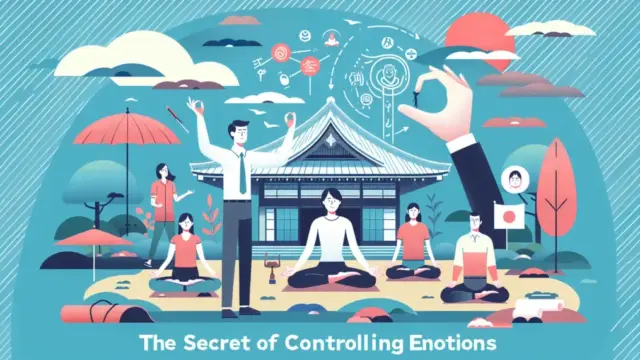











Understanding how to control emotions can be a game changer in our personal growth journey. Emotions are powerful forces that shape our experiences and interactions with others. They can motivate us to take action or hold us back in ways we might not even realize. By learning how to manage these feelings, we can unlock new levels of self-awareness and resilience that lead to a more fulfilling life.
Have you ever found yourself overwhelmed by a strong emotion? It can be easy to feel lost or unsure of how to respond. However, the first step in emotional control is recognizing what we feel and why. This awareness sets the groundwork for developing effective strategies to navigate our emotional landscape. It’s all about taking those initial steps toward understanding ourselves better.
In this article, we will explore practical techniques that can enhance our ability to control emotions. From mindful breathing practices to reframing negative thoughts, these tools can help us regain composure and maintain balance. By incorporating these techniques into our daily lives, we can create a positive shift in how we experience and express our emotions.
Ultimately, learning to control emotions doesn’t just benefit us individually. It can improve our relationships and work performance, fostering a healthier environment for ourselves and those around us. Join me on this journey as we discover the key elements of emotional control and how they can empower us in our everyday lives.
- Explore the definition and significance of emotional control.
- Discover the importance of self-awareness and emotion diaries.
- Learn practical techniques to enhance your emotional management skills.
What is Emotional Control?
Definition of Emotion
Emotions are complex reactions that encompass our physical, mental, and behavioral responses to various stimuli. They arise from our thoughts, experiences, and even our environment. Each emotion serves a purpose, whether it’s joy, anger, sadness, or fear. Recognizing and understanding these emotions is crucial since they can influence our decisions and interactions.
When we talk about emotions, it’s essential to realize they are not just fleeting feelings; they have depth and significance. For instance, happiness can motivate us to pursue goals, while fear may signal a need for caution. By identifying what triggers these emotions, we can better navigate our responses and find ways to manage them effectively.
Moreover, emotions are often interconnected. One feeling can lead to another, creating a chain reaction that affects our mood and outlook. For example, feeling stressed might lead to frustration, which can, in turn, affect our relationships. Understanding this connection is a vital step toward emotional control.
In essence, recognizing emotions as valuable signals can empower us to respond mindfully rather than react impulsively. This awareness is the first step in learning to control our emotions and ultimately shaping our daily experiences.
- Emotions are complex reactions to stimuli.
- Each emotion serves a specific purpose.
- Understanding triggers helps manage responses.
Significance of Emotional Control
Emotional control is more than just managing feelings; it plays a significant role in our overall well-being and personal growth. When we can regulate our emotions, we foster a sense of stability and peace in our lives. This stability allows us to approach challenges with a clear mind and a positive attitude.
The significance of mastering emotional control is evident in our interactions with others. By understanding and managing our emotions, we can communicate more effectively and resolve conflicts with greater ease. This skill not only enhances personal relationships but also contributes to a more harmonious work environment. When we react thoughtfully rather than emotionally, we pave the way for healthier connections.
Additionally, emotional control is linked to mental resilience. Life will inevitably throw challenges our way, but how we respond to these challenges can make all the difference. Developing emotional control equips us with the tools to bounce back from setbacks and maintain a forward momentum. It encourages a growth mindset, where we see obstacles as opportunities for learning and improvement.

If you found the discussion on emotional control intriguing, you might also appreciate this article, “Master Your Emotions: A Practical Guide Using Psychology,” which delves deeper into effective techniques for managing your emotions through psychological insights. This guide offers practical steps that can further enhance your understanding and mastery of emotional regulation.
- Emotional control contributes to overall well-being.
- It enhances communication and conflict resolution.
- It fosters mental resilience and a growth mindset.
First Steps to Understanding Emotions
Importance of Self-Awareness
Understanding our emotions is a key part of personal growth. The more we know about what we feel and why, the better we can manage those feelings. Self-awareness acts as a foundation for emotional control, allowing us to recognize patterns in our emotional responses. This recognition helps us respond thoughtfully rather than impulsively.
Building self-awareness starts with paying attention to our emotions in different situations. For instance, you might notice that you feel anxious during certain interactions or particularly joyful when spending time with friends. Reflecting on these feelings can give insights into our emotional triggers. By identifying these triggers, we open up pathways to better manage our emotional reactions.
Additionally, self-awareness encourages us to embrace our emotions without judgment. It’s perfectly normal to feel a range of emotions, and acknowledging them can lead to healthier coping strategies. The journey toward emotional control begins with a commitment to understanding ourselves deeply and openly.
- Self-awareness is foundational for emotional control.
- Recognizing emotional patterns helps in managing responses.
- Embracing emotions without judgment promotes healthier coping.
Using an Emotion Diary
An emotion diary can be a powerful tool for developing emotional control. By writing down our feelings, we create a record that allows us to reflect on our emotional experiences. This practice helps us understand how specific events impact our emotions and can reveal patterns we may not have noticed before.
When keeping an emotion diary, it’s helpful to note not just what you felt, but also the circumstances surrounding those feelings. For example, did you feel happy after a compliment at work, or did frustration arise during a challenging task? By documenting these experiences, we gain clarity and insight into how different situations influence our emotions.
Moreover, reviewing past entries can provide valuable lessons. You might find that certain situations consistently trigger negative emotions or that specific coping strategies work better for you in managing those feelings. This knowledge empowers us to make informed choices about how to respond to similar situations in the future.
Lastly, an emotion diary can also serve as a space for gratitude. By noting moments of joy or gratitude alongside difficult emotions, we can cultivate a balanced perspective. This holistic approach enhances our emotional understanding and encourages us to embrace the full spectrum of our feelings.
- An emotion diary helps track and reflect on feelings.
- Documenting circumstances reveals emotional patterns.
- Reviewing entries provides insights for better future responses.
- Including gratitude fosters a balanced emotional perspective.
Techniques for Emotional Control
Breathing Techniques and Mindfulness
One of the simplest yet most effective methods for managing emotions is through breathing techniques and mindfulness practices. By focusing on our breath, we can ground ourselves in the present moment and create a sense of calm. This practice helps to reduce anxiety and allows us to step back from overwhelming emotions, providing a much-needed pause before we react.
Mindfulness encourages us to observe our thoughts and feelings without judgment. When we take a moment to breathe deeply and focus on our sensations, we become more aware of the emotional currents within us. This awareness can be a powerful tool in learning how to control emotions, as it helps us create space between our feelings and our reactions.
- Deep breathing can reduce anxiety and stress.
- Mindfulness helps observe emotions without judgment.
- Taking a moment to breathe creates space for thoughtful responses.
Reframing Negative Thoughts
Reframing negative thoughts is another crucial technique for emotional control. Often, our emotions are influenced by the way we interpret situations. When we find ourselves feeling down or overwhelmed, it’s helpful to challenge those negative thoughts. Instead of viewing a setback as a failure, we can reframe it as an opportunity to learn and grow.
This process involves recognizing cognitive distortions—those automatic negative thoughts that creep in when we experience challenging situations. By identifying these patterns, we can consciously shift our perspective toward a more positive and constructive outlook. This shift not only transforms how we feel but also influences our behavior in a more productive way.
Additionally, practicing reframing regularly can lead to lasting changes in how we approach difficulties in life. Over time, we build resilience and a more optimistic mindset that can significantly enhance our emotional well-being. This technique empowers us to take control of our emotional responses instead of letting them control us.
To further enhance your understanding of emotional management, you may find it beneficial to explore the article titled “How to Control Your Emotions! Steps to Achieve Inner Peace”. This piece delves into practical strategies for mastering your emotions and achieving a state of inner tranquility, complementing the techniques discussed in this article.
- Reframing helps challenge negative thoughts and perspectives.
- Identifying cognitive distortions is key to changing our mindset.
- Regular practice builds resilience and a more positive outlook.
Benefits of Controlling Emotions
Improving Relationships
When we learn to control our emotions, one of the most significant benefits is the positive impact it has on our relationships. Effective emotional management allows us to communicate more clearly and empathetically. Instead of reacting impulsively to a partner’s comment or a friend’s behavior, we can pause and respond thoughtfully. This shift not only fosters understanding but also creates a space for deeper connections.
Moreover, emotional control helps us navigate conflicts more effectively. In moments of disagreement, staying calm and composed can prevent escalation and facilitate constructive discussions. By approaching conflicts with a level head, we can express our feelings without becoming defensive or aggressive. This approach encourages a healthier dynamic, leading to more satisfying relationships overall.
In essence, mastering emotional control enhances our ability to connect with others on a meaningful level. It allows us to build trust and understanding, which are vital components of any strong relationship. As we become more emotionally intelligent, we pave the way for deeper and more fulfilling interactions with those around us.
- Emotional control enhances communication and empathy.
- It helps navigate conflicts without escalating tensions.
- Stronger relationships are built on trust and understanding.
Enhancing Work Performance
Controlling emotions also plays a crucial role in our professional lives. When we manage our feelings effectively, we can maintain a productive and focused mindset. For instance, instead of letting stress or frustration derail our work, we can channel those emotions into motivation and creativity. This shift can lead to improved performance and better outcomes in our tasks.
In addition, emotional control contributes to a more positive work environment. Colleagues who manage their emotions well are often seen as more approachable and reliable. This perception fosters collaboration and teamwork, essential elements for success in any workplace. When we model emotional intelligence, we inspire others to do the same, creating a ripple effect that enhances the overall atmosphere.
Ultimately, honing our emotional control skills can lead to greater job satisfaction and career advancement. By approaching challenges with a balanced mindset, we open ourselves to new opportunities for growth and development.
For those looking to delve deeper into the subject of emotional control, you might find the article titled What Are the Practical Steps and Techniques to Control Your Emotions? particularly enlightening. It offers actionable strategies to enhance your emotional management skills, which can significantly complement the insights discussed here regarding improving relationships and work performance.
- Emotional control boosts productivity and focus at work.
- It fosters a positive and collaborative work environment.
- Managing emotions leads to greater job satisfaction and career growth.
Summary
In this journey of understanding emotions and their control, we have uncovered the importance of emotional awareness and the skills necessary to manage our feelings effectively. Learning to control emotions not only improves our personal well-being but also enhances our relationships and work performance. By applying techniques such as mindful breathing, reframing negative thoughts, and maintaining an emotion diary, we can create a more balanced emotional state that empowers us in our daily lives.
Ultimately, mastering emotional control is about recognizing the significance of our feelings and learning how to respond thoughtfully rather than react impulsively. This journey towards emotional intelligence can lead to more fulfilling interactions, greater resilience, and a more positive outlook on life.
- Emotional control enhances self-awareness and personal growth.
- Effective management of emotions improves relationships and work performance.
- Techniques like mindful breathing and reframing help create emotional balance.
I hope you found this article helpful in your journey to understand and control your emotions. I’d love to hear your thoughts or experiences regarding emotional control, so feel free to share your comments below!
Comment